

How granny flat builders can transform your property guide, costs, and tips
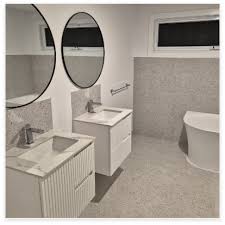
granny flat builders https://www.prevailinghomes.com.au/
Granny flat builders occupy a vital niche in modern residential construction, helping homeowners create functional, comfortable secondary dwellings on existing properties. Whether you are seeking additional rental income, a private space for multigenerational living, or a dedicated studio, working with specialist builders delivers tailored solutions that balance design, compliance and budget. This guide outlines what to expect from the build process, how to plan effectively, and how to choose a builder who will deliver value and long-term satisfaction.
Why consider a granny flat?
Granny flats, also called secondary dwellings or backyard homes, offer multiple benefits. They can provide independent living for elderly relatives while keeping families close, generate steady rental income, increase overall property value, and offer flexible space for offices or guest accommodation. For many homeowners, a well-designed granny flat is a smarter investment than moving to a larger property because it leverages existing land and infrastructure.
Initial planning: site assessment and feasibility
Before engaging a builder, perform a site assessment to understand constraints and opportunities. Typical considerations include lot size, orientation, slope, existing structures, access to utilities, and local council regulations. Many local authorities have specific zoning rules and size limits for secondary dwellings — check these early to avoid wasted time. A reputable granny flat builder will often offer a feasibility study or preliminary site visit to advise on what’s permissible and practical.
Design and functionality
Good design balances privacy, light, ventilation and efficient use of space. Modern granny flats range from compact one-bedroom units to larger two-bedroom apartments with open-plan living. Design options include single-storey, modular or prefabricated solutions, duplex conversions, and attached or detached layouts. Consider universal design features — wider doorways, step-free access and bathroom grab rails — to future-proof the dwelling for aging occupants or mobility needs.
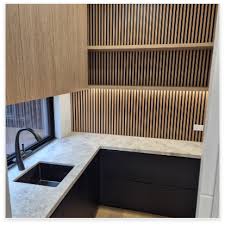
Regulatory approvals and permits
Compliance is one of the most important aspects of building a granny flat. Builders familiar with local regulations can streamline the approvals process, which may include development applications, building permits, stormwater management plans, and compliance certificates for electrical and plumbing work. Timeframes for approvals vary by council, so factor potential delays into your schedule and budget. Engaging a builder who manages approvals on your behalf reduces administrative burden and risk.
Materials, construction methods and sustainability
Choosing the right materials affects cost, durability and energy efficiency. Lightweight steel framing, timber, and insulated panel systems are common choices for granny flats due to speed of construction and thermal performance. Sustainable options — solar panels, high-quality insulation, double-glazed windows, and water-efficient fixtures — can lower running costs and increase appeal to renters. Many builders now offer energy-efficiency packages that improve the environmental footprint without dramatically increasing upfront cost.
Budgeting and cost drivers
Costs depend on size, finishes, site complexity and whether structural or service upgrades are required. Standard builds typically include site preparation, foundation work, shell construction, interior finishes, electrical, plumbing and connection to services. Expect additional costs if retaining walls, complex drainage, sewer connections or tree removal are necessary. Obtain itemised quotes from multiple granny flat builders to compare inclusions — a lower headline price can mask costly exclusions.
Timelines and project management
A clear schedule helps manage expectations. A simple, well-planned granny flat can be completed in a matter of months, while projects requiring approvals, site remediation or custom features may take longer. Choose a builder who provides a realistic timeline, regular updates, and a single point of contact. Effective project management ensures subcontractors, inspections and material deliveries align, reducing the risk of costly delays.
Choosing the right granny flat builder
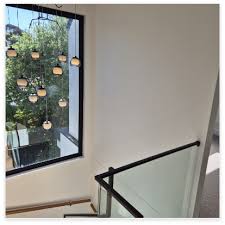
Selecting an experienced builder is crucial. Look for companies with a strong portfolio of completed granny flats, client testimonials, and transparent contracts. Verify licences, insurance and membership in industry associations. Ask about warranties, dispute resolution processes and who will handle council inspections. A good builder will offer design flexibility, clear communication and robust aftercare service to address post-completion issues.
Maximising return on investment
To maximise rental yield or resale value, prioritise durable finishes and low-maintenance materials, invest in effective insulation and heating/cooling systems, and provide functional storage. Location within your property matters — ensure the granny flat has privacy from the main dwelling and adequate outdoor space. Thoughtful landscaping and a separate entrance can significantly boost tenant appeal and long-term returns.
Common pitfalls and how to avoid them
Common issues include underestimating costs, poor site preparation, non-compliance with council rules, and selecting an inexperienced builder. Avoid these by obtaining multiple detailed quotes, requesting references, and ensuring contractual clarity about scope, timelines and variations. Don’t rush approvals — building without proper permits can lead to fines or demolition orders.
Accessibility and future-proofing
As households evolve, accessibility becomes valuable. Incorporating ramps, non-slip flooring, lever handles and wider corridors enhances usability for older occupants and widens market appeal. Future-proofing for technology — such as provisions for EV charging, high-speed internet and smart home systems — also increases long-term desirability.
Conclusion
Granny flat builders provide a practical pathway to increase living options and property value. With careful planning, the right team and realistic budgeting, a granny flat can serve multiple purposes: comfortable housing for family members, a source of rental income, or a flexible workspace. Start with a detailed site assessment, prioritise compliance and sustainability, and choose a builder who communicates clearly and delivers on promises. The right approach transforms a modest addition into a valuable and lasting asset for your property.